Synopsis
by E. Rodriguez
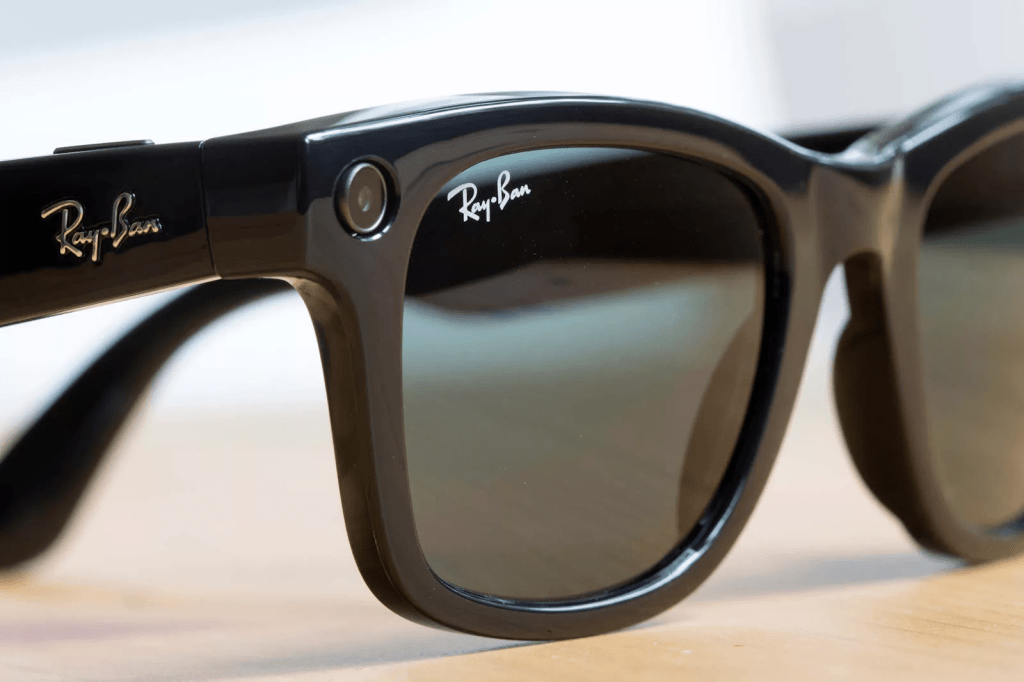
The turn of the decade in 2020 led to an increase in augmented reality technologies. Once a symbol of futuristic fiction, smart glasses are now stepping confidently into the real world, and how we interact with it. Whether it be Apple’s Vision Pro, Meta’s Ray-Bans and Orion smart glasses, or companies like Google investing heavily. Tech companies, big and small, are all working on bringing digital objects to the real world.
What are Smart Glasses?
Smart glasses blend traditional eyewear with digital technology. Some offer a heads-up display, such as ActiveLook’slight AR smart glasses. While others like Meta’s Ray-bans, integrate AI assistants, cameras, microphones, and AR overlays that project information directly into your field of vision. These features are all in the goal of making digital interaction more seamless, hands-free, and intuitive. For instance, in healthcare, glasses equipped with augmented reality can assist surgeons by overlaying critical patient data during procedures, improving accuracy and efficiency.
Why Now?
The hardware is finally catching up with the vision. Miniaturized components, longer battery life, and faster processors are making smart glasses practical. Add to that the growing appetite for immersive experiences and the push for tech that does not require staring down at a screen, and it’s easy to see why this space is heating up. Companies are also focusing on improving their user interface and experience. Voice commands, gesture control, and augmented reality overlays are becoming more intuitive.
Upon Further Reflection
Smart glasses are leading the way into a future were digital and real-life blend seamlessly. Although there are still challenges like privacy and cost, their potential is clear. With continued progress, they may soon become as common as smartphones. The future is not just coming. It is already in sight.
 Armwood Technology Roundup